Ol Pejeta Conservancy sits on a high plateau between Nanyuki and the Aberdare Range, and its wildlife rhythms change more than many first-time safari planners expect. Understanding ol pejeta season by season makes the difference between crisp views of rhino and muddy-track frustration. This guide walks through each period honestly, with weather, wildlife, crowds, and practical planning for a first safari.
When Is the Best Time to Visit Ol Pejeta?
June to October is generally the best period for straightforward wildlife viewing because dry conditions thin the grass, improve visibility, and concentrate animals near reliable water. January to March is another strong window, especially for photography and clear skies. The rainy months remain rewarding for green scenery, birds, fewer visitors, and potentially lower rates.
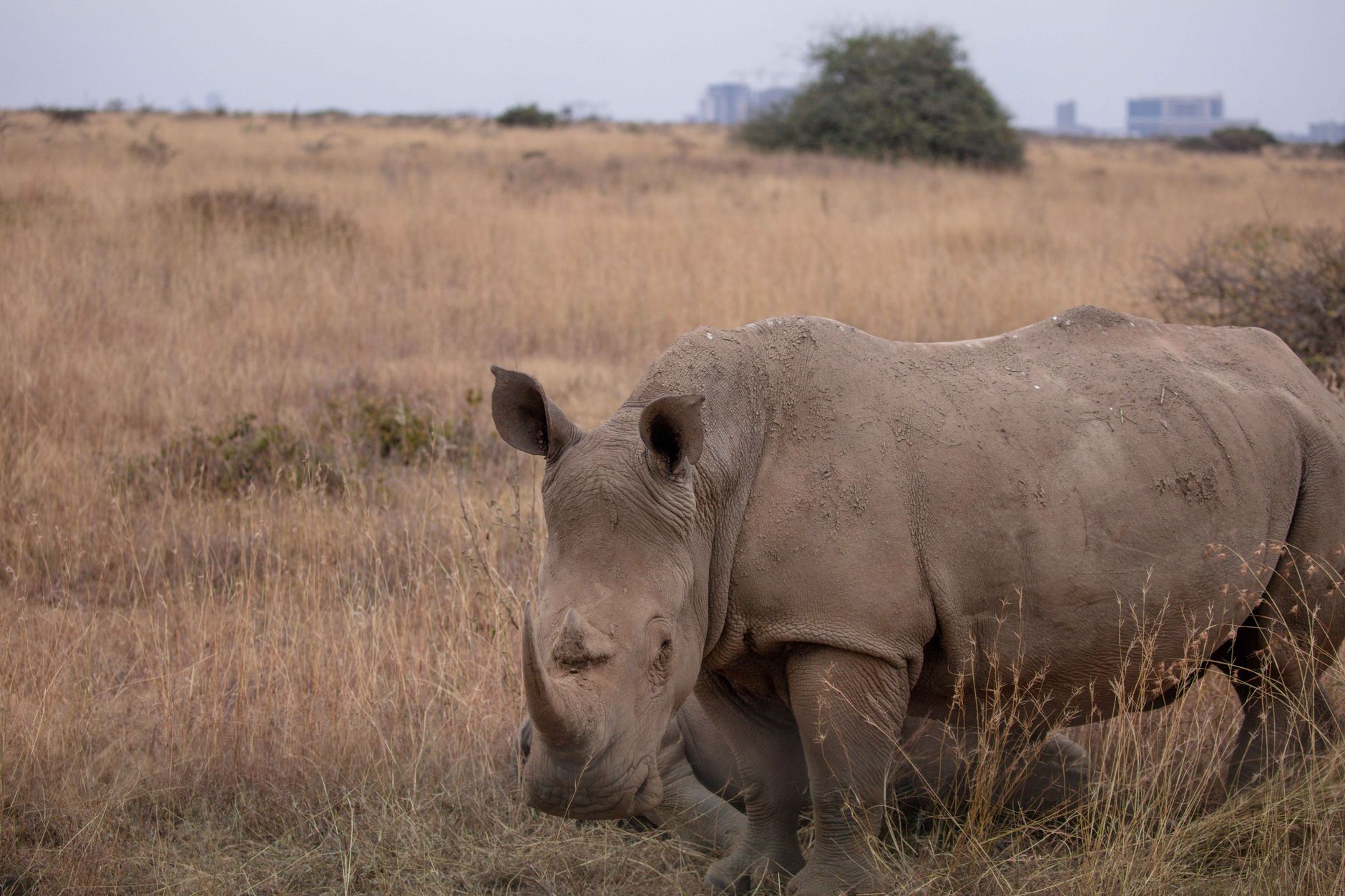
The right answer also depends on what you want from a safari. Ol Pejeta does not have the Masai Mara river crossings, so you can plan around resident wildlife instead of a migration. Black rhino, elephant, lion, leopard, buffalo, and a chimpanzee sanctuary are present throughout the year. If Big Five sightings are your main goal, the dry season is hard to beat. If you prefer quieter drives, cheaper rooms, or dramatic green views, the shoulder months can feel like a private reserve. This deep-dive Ol Pejeta Conservancy guide covers the animals in more detail.
What Does Ol Pejeta Look Like From January to March?
January and February are warm, relatively dry months with clear air, good game drives, and strong photography conditions. Wildlife viewing is usually reliable before the long rains begin, while February can bring migratory white storks. March is transitional: early weeks can be excellent, but heavier rain may develop from mid-month.
Yes, you can visit Ol Pejeta in January, and it is often a smart pick. Grass is still short from the previous dry season, so animals do not disappear into cover. Mornings begin cold, but the rest of the day feels pleasant. The light is crisp, which is one reason photographers rate Ol Pejeta among the best Kenya safari parks for photography. Rhino monitoring teams are active in these months, and you will likely see collaring or tracking work on a morning drive. The chimpanzee sanctuary also operates year-round, making January a simple time to combine conservation visits with classic game viewing.
What Is Ol Pejeta Like From April to June?
April and May are the wettest part of the year, producing lush landscapes, muddy tracks, cooler conditions, and fewer visitors. Game drives are still possible during dry spells, and some predators use firmer roads to avoid wet grass. June marks a rapid improvement as rain eases, visibility increases, and the main dry season begins.
April is typically the wettest month, followed closely by May. Roads can turn slippery, and a few loops may close for short stretches. Travelers who book with an experienced operator still get good game viewing, because animals remain active between storms. The reward is rich green scenery, strong birdlife, and very low crowd pressure. This window also offers some of the best value of the year, which is one of the clearest Kenya safari shoulder-season advantages. If you travel with young children or older relatives, the cooler temperatures can be comfortable, but you need patience and flexible plans.
Why Is July to September the Peak Dry Season at Ol Pejeta?
July to September offers the most dependable combination of dry tracks, open visibility, cool mornings, and concentrated wildlife around water. It is the strongest season for visitors prioritizing Big Five sightings and predator activity, but it also brings higher demand and more visitors. September often provides a useful balance as holiday crowds begin to thin.
This is the classic Ol Pejeta dry season. Grass is low, so lions and leopards are easier to find. Elephants and buffalo gather at permanent water, giving drivers reliable action around the river and waterholes. Morning temperatures can drop to single digits Celsius, so proper layers matter even though afternoon sun feels warm. August is especially busy because of school holidays, so book early. Despite the extra vehicles, Ol Pejeta still feels more open than many national reserves. The difference comes from the land-management model; you can compare private conservancy versus national reserve to see why that matters for your daily experience.
What Do Short Rains Mean for October to December at Ol Pejeta?
October usually begins dry before short rains develop in late October or November. Brief showers revive the grasslands, improve photographic color, and can reduce visitor numbers, while December often returns to a drier pattern. This period can suit birders and photographers, and taller grass may give cheetahs useful cover while hunting.
The short rains are lighter than the long rains. Many afternoons bring a shower that clears quickly, leaving the air fresh and the light dramatic. Roads become muddy in places but do not shut down the way they can in April. October is a good compromise for travelers who want dry-season reliability with fewer people. December can feel like a return to stable weather, which makes it popular for family safaris and for combining Ol Pejeta with a coast beach stay. A full Kenya safari packing list will help you prepare for both warm days and cold dawns.
How Should You Read Ol Pejeta Season by Season?
Ol Pejeta has a mild highland climate, with daytime temperatures commonly in the low-to-mid twenties Celsius and noticeably cold early mornings and nights. Pack warm layers year-round, especially for dawn drives. During April to May and parts of October to November, allow flexible schedules, confirm road conditions, and use a capable safari vehicle because heavy showers can make tracks difficult.
This season by season view helps you match the park to your priorities. If the main question is wildlife, schedule around the driest months and be ready for cool starts. If photography matters, look for clear air and green color in the shoulder periods. If budget is the main factor, April, May, October, and November often carry lower room rates, though you trade some predictability.
Ol Pejeta season at a glance
| Season | Months | Typical daytime temperature | Rainfall pattern | Wildlife visibility | Who it suits best |
|---|---|---|---|---|---|
| Dry | Jan Mar | Low-to-mid 20s C | Low, clear air | Good, low grass | Photographers, first timers |
| Long rains | Apr May | Mid-teens to low 20s C | Heavy, often afternoon | Lower but active in dry spells | Birders, budget travelers |
| Main dry | Jun Sep | Low-to-mid 20s C | Very low | Excellent near water | Big Five and predator fans |
| Short rains | Oct Nov | Low-to-mid 20s C | Moderate, brief showers | Variable, often good | Photographers, birders |
| Dry return | Dec | Low-to-mid 20s C | Low | Good | Families, holiday travelers |
Use the table as a planning tool, not a weather promise. Local conditions shift year to year, and a single storm can change a week.
What Do Travelers Ask About Ol Pejeta Seasons?
Most first-time planners ask the same practical questions: the best months for wildlife, the daytime and nighttime temperatures, whether rainy-season visits make sense, and where the wettest periods fall. The answers below reflect the highland climate and the seasonal patterns that experienced guides see on the ground.
When Is the Best Time to Visit Ol Pejeta?
June to October is the most dependable period for wildlife viewing because vegetation is thinner and animals gather near water. January to March is also excellent, particularly for clear skies and photography. Ol Pejeta remains open and rewarding during rainy periods, especially for green scenery, birds, and lower visitor numbers.
What Is the Weather Like in Ol Pejeta Conservancy?
Ol Pejeta has mild daytime temperatures, usually around the low-to-mid twenties Celsius, because it sits at high elevation. Early mornings and nights can feel cold, with temperatures near 7 to 11 degrees Celsius in some months. The long rains normally fall from March or April through May, while shorter rains peak around November.
Is Ol Pejeta Good to Visit During the Rainy Season?
Yes, although the experience is less predictable. Rainy-season visits offer lush scenery, dramatic skies, fewer visitors, good birding, and possible value on accommodation, while showers can make tracks muddy and interrupt drives. April and May are the most challenging months, so flexible plans and a suitable vehicle are advisable.
What Month Is Best for Seeing Wildlife at Ol Pejeta?
July, August, and September are among the strongest individual months for general wildlife viewing. The dry landscape improves visibility and animals concentrate around permanent water sources. June and October can also be excellent, with June benefiting from drying conditions and October often offering fewer visitors before the short rains become established.
What Are the Wettest Months in Ol Pejeta?
April is typically the wettest month during the long rains, which continue into May. November is commonly the wettest month of the shorter rainy period, although rainfall timing varies by year. Showers do not necessarily last all day, but they can make roads and safari tracks more difficult.
Where Can You Compare Ol Pejeta Safari Packages?
Compare Ol Pejeta packages with operators who run trips in the conservancy rather than treating it as a simple add-on. FindMySafari, Valley Safaris, and Trunktrails Safaris all provide itineraries that include Ol Pejeta, and each can match your dates to the right season and budget. Browse packages from those three to compare vehicle quality, driver experience, and lodge style before you decide.
Where Can You Find More Safari Planning Resources?
- Best time to visit Kenya map from SafariPure
- Ol Pejeta Conservancy guide from Trunktrails Safaris
- Best time to visit Kenya month-by-month map from Valley Safaris
- Big Five safari collection on FindMySafari